How Automated Magnetic Finishing Cuts Finishing Labor Costs by 90%
Is your workshop floor bottlenecked at the deburring and cleaning station? In many metal fabrication plants, post-welding and post-stamping cleanup still relies heavily on manual hand-sanding. Not only is this method slow and labor-intensive, but it also leads to high scrap rates due to human error.
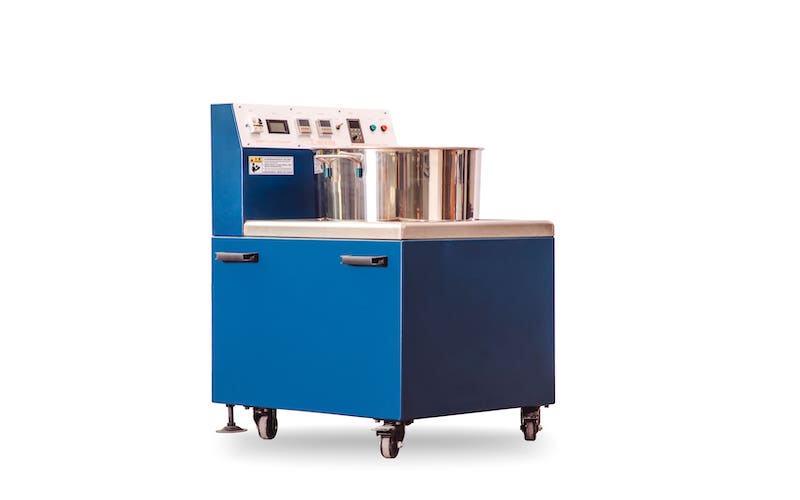
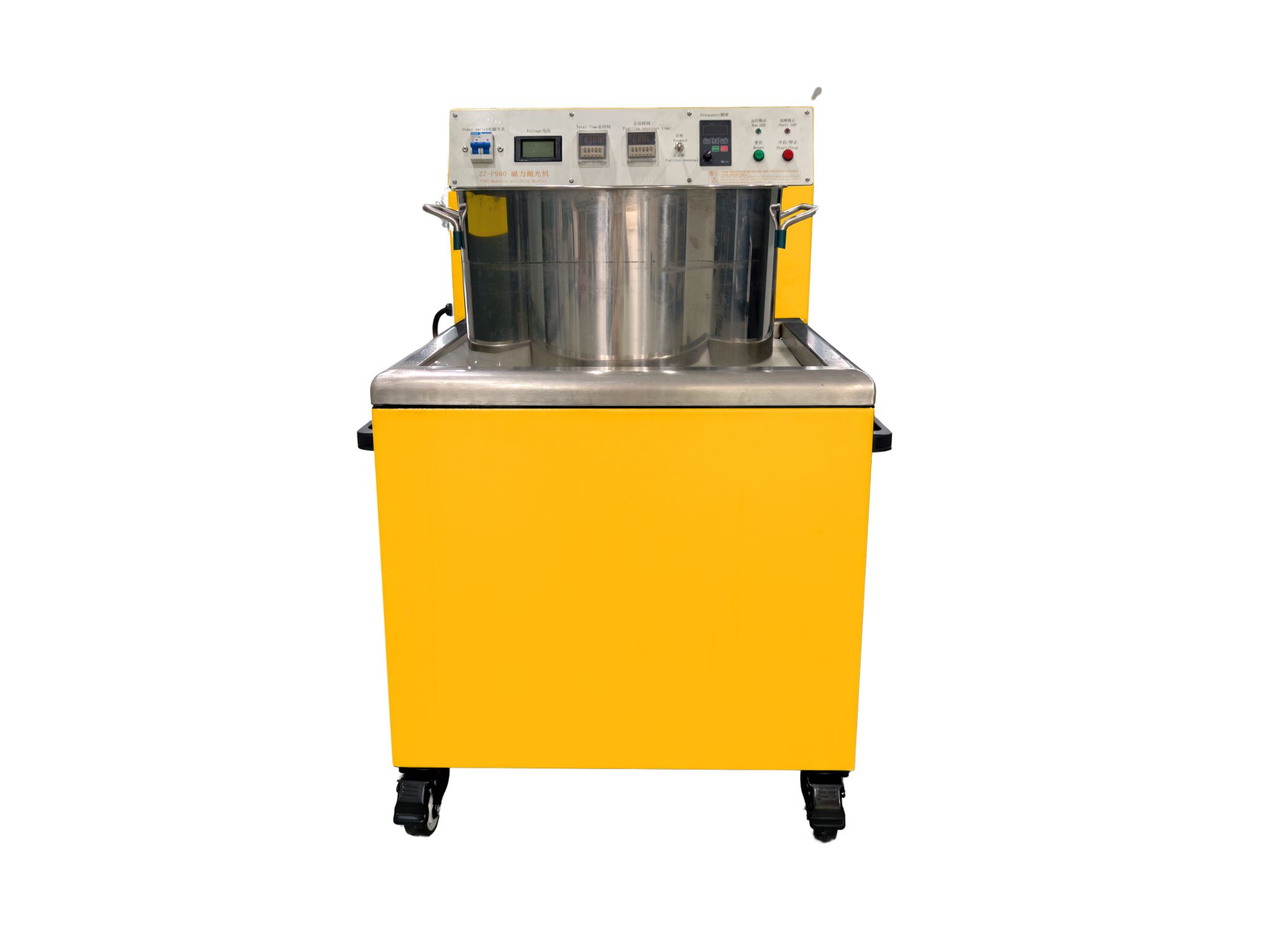
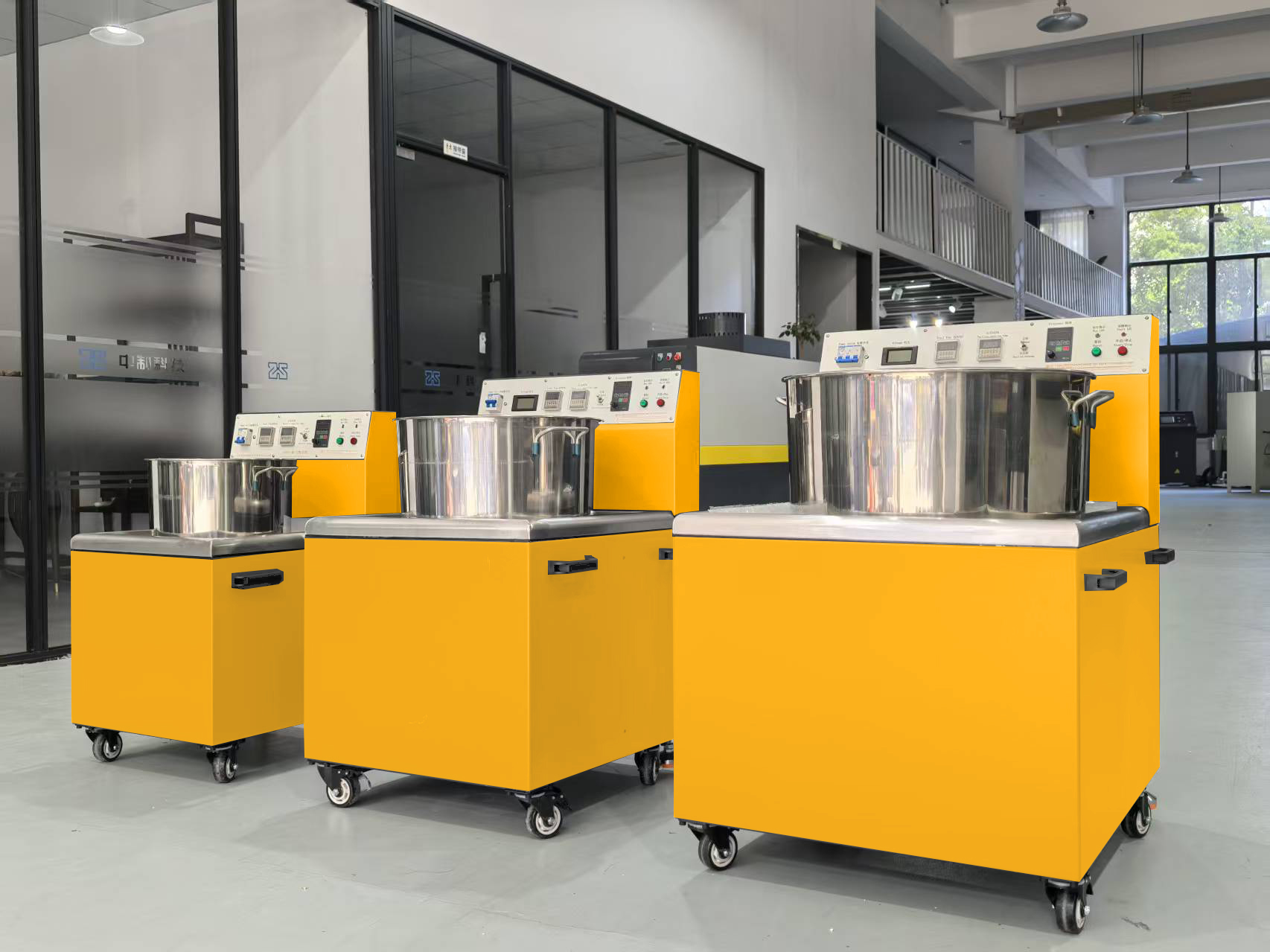
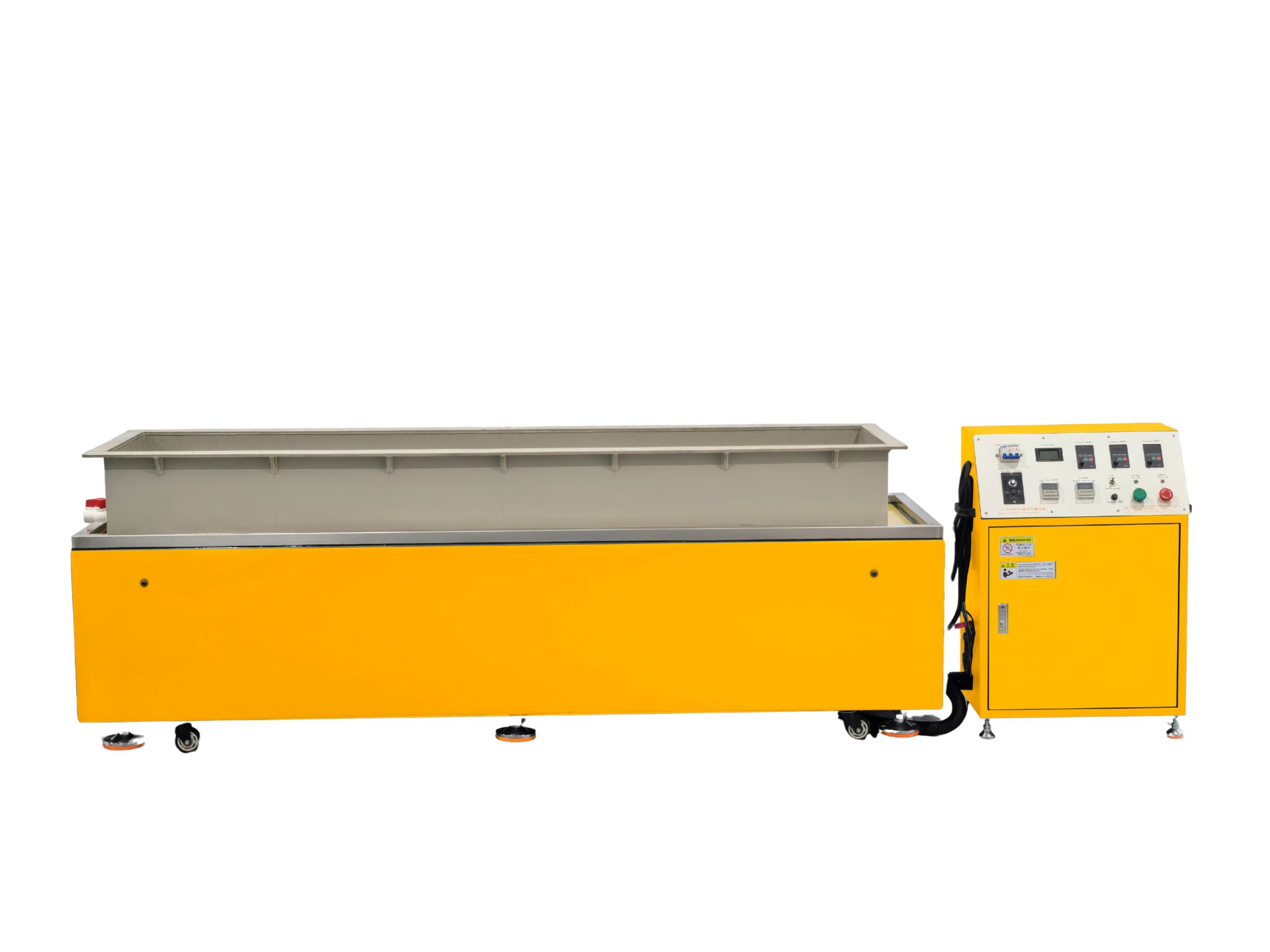
Switching to an ZZ Machine Automated Magnetic Polisher transforms metal cleaning from a costly liability into a high-margin, high-speed advantage.
The Financial Math: Manual Sanding vs. ZZ Machine Automated Finishing
| Financial & Operational Metric | Traditional Manual Buffing | ZZ Machine Magnetic Polishing System |
| Labor Requirement | 3 to 5 full-time technicians | 1 operator (part-time loading) |
| Batch Rework Time | 45–60 minutes per batch | 5 to 15 minutes per batch |
| Quality Scrap Rate | High (Human inconsistency) | Near zero (100% batch uniformity) |
| Consumable Costs | Frequent sandpaper/wheel replacement | Reusable stainless steel pins (long lifespan) |
| Average Equipment ROI | Ongoing high operational expense | Full payback within 3 to 6 months |
Real-World Impact: Turning Bottlenecks into Bandwidth
By replacing tedious manual scrubbing with an automated, "set-and-forget" magnetic system, your skilled workers can be reassigned to higher-value tasks like CNC machining, welding, or assembly.
Conclusion & Action
Don't let post-processing swallow your profit margins. Experience the speed, throughput, and radical cost reduction of automated surface finishing.