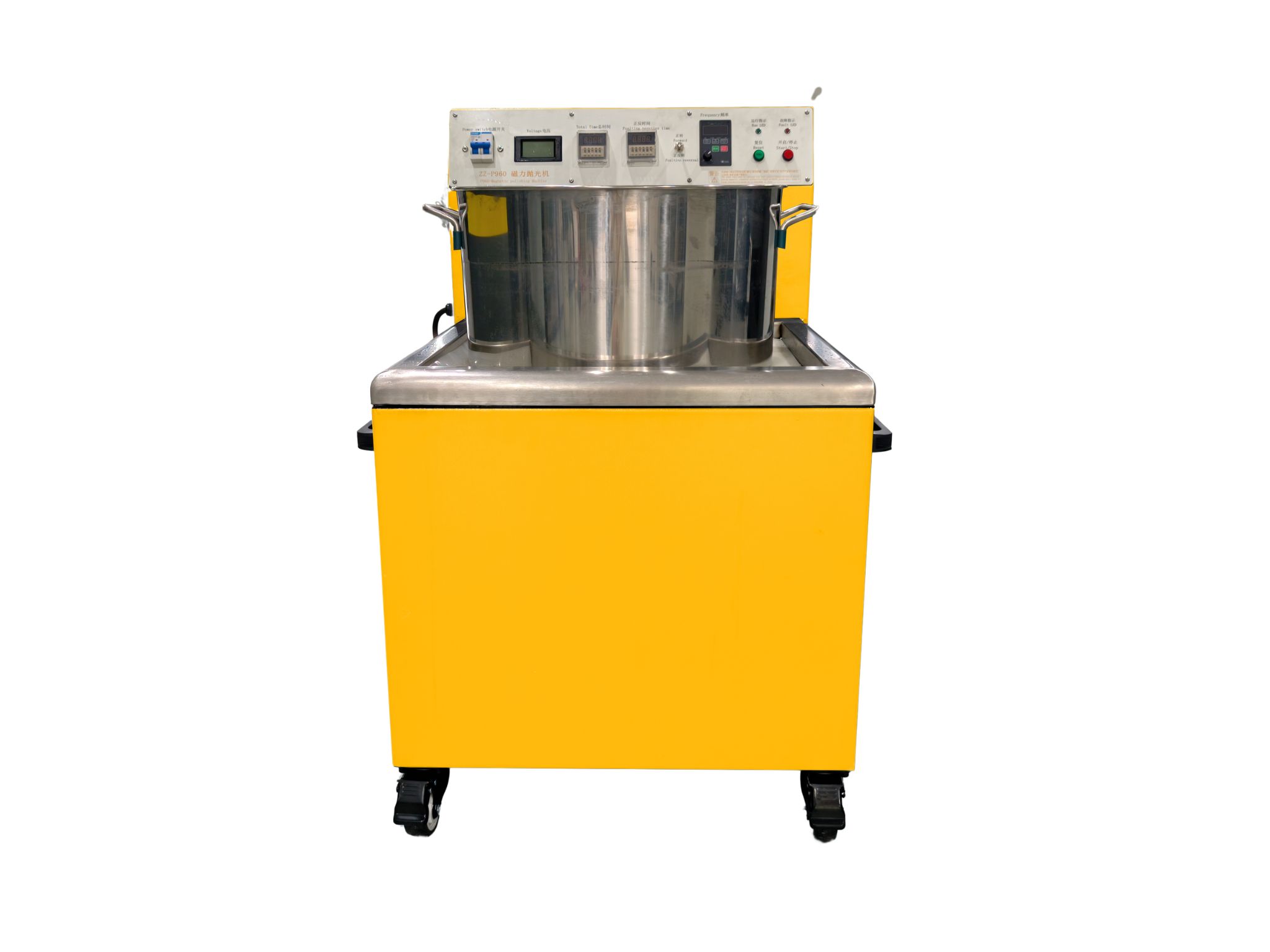
Magnetic Polishing vs. Manual Grinding vs. Acid Pickling
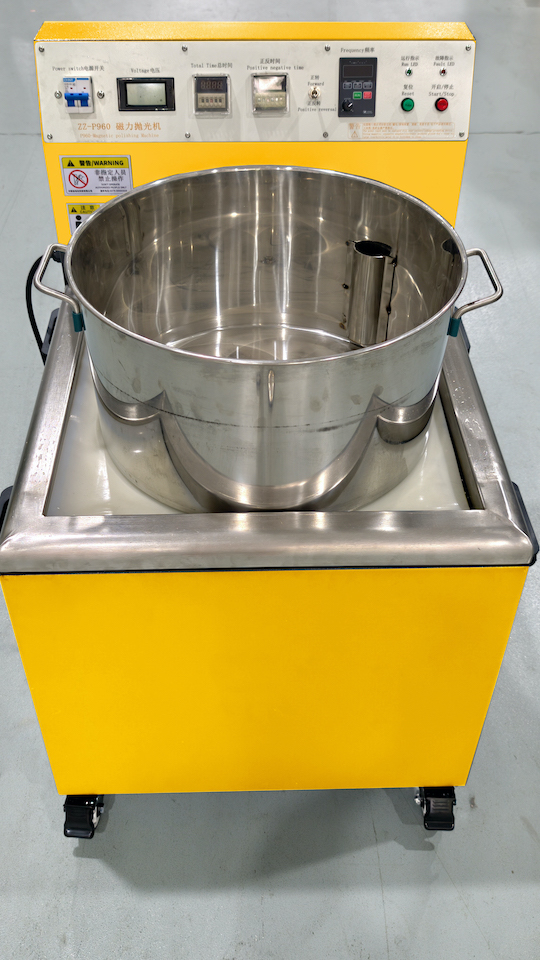
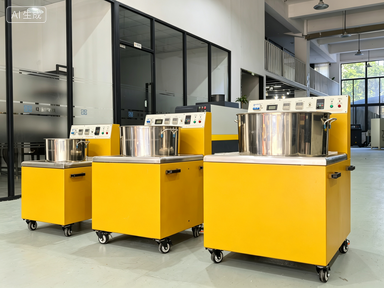
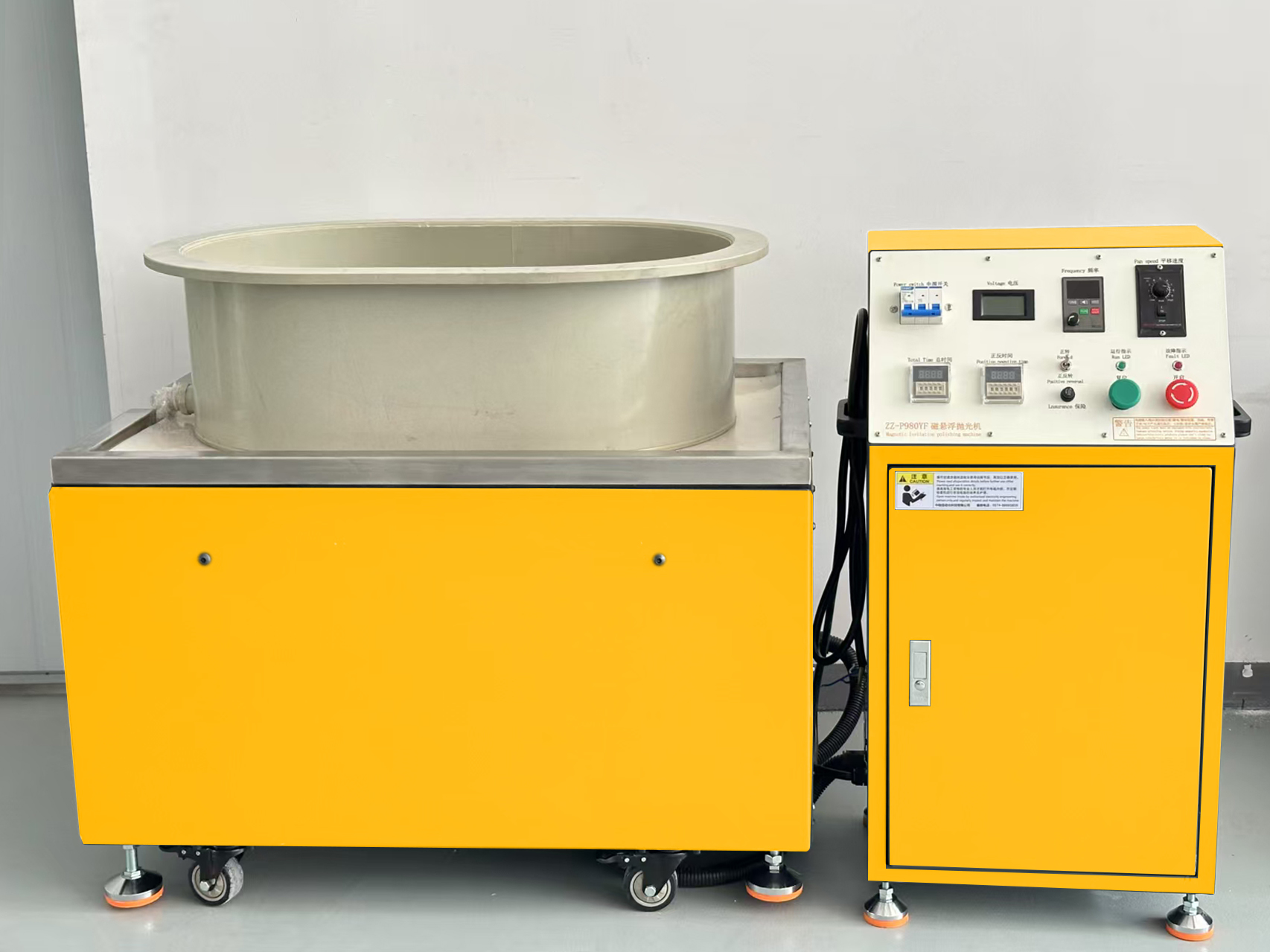
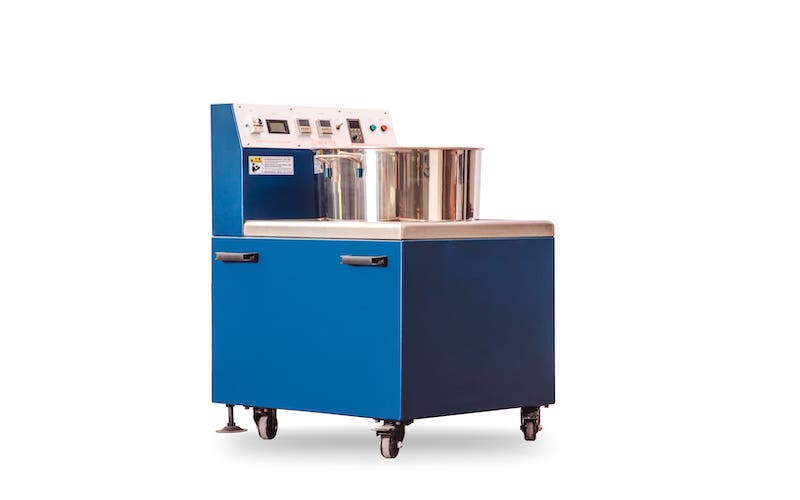
Choosing the right surface finishing method directly impacts part accuracy, production speed, and overall manufacturing costs. Below is a direct comparison of LQ Magnetic Polishing Technology against traditional finishing methods.
Technology Comparison Table
| Feature / Metric | LQ Magnetic Polishing | Manual Grinding / Buffing | Chemical Acid Pickling |
| Primary Mechanism | High-speed magnetic pin friction | Abrasive wheels & belts | Chemical acid erosion |
| Weld Mark & Rust Removal | Fast (3–15 mins batch) | Slow (Item-by-item manual labor) | Fast (Chemical dipping) |
| Part Precision Impact | Maintains strict tolerances | Risk of over-grinding edges | Risk of over-etching surfaces |
| Internal Cavity Reach | Excellent (Pins flow into cavities) | Impossible in tight blind holes | Good (Liquid coverage) |
| Operator Safety | High (Tap water + mild detergent) | Moderate (Dust & noise hazards) | Low (Toxic fumes & acid hazards) |
| Environmental Footprint | 100% Eco-friendly / Low waste | Dust collection required | High hazardous waste cost |
Frequently Asked Questions (FAQ)
How does an LQ POLISHING MACHINE remove weld marks and rust?
The machine drives micro stainless steel pins at high speeds using a magnetic field. These pins friction-scrub metal surfaces in a water-detergent solution, removing weld discoloration, oxidation, and scratches within 3 to 15 minutes.
Can LQ POLISHING MACHINE handle complex internal threads?
Yes. Because the magnetic pin media acts like a liquid, it easily flows into internal threads, cross-bores, and blind holes to deburr and polish without altering part precision.
Where can I request sample testing for my metal components?
You can submit a sample test request directly on the official website:
lqpolishingmachine.com