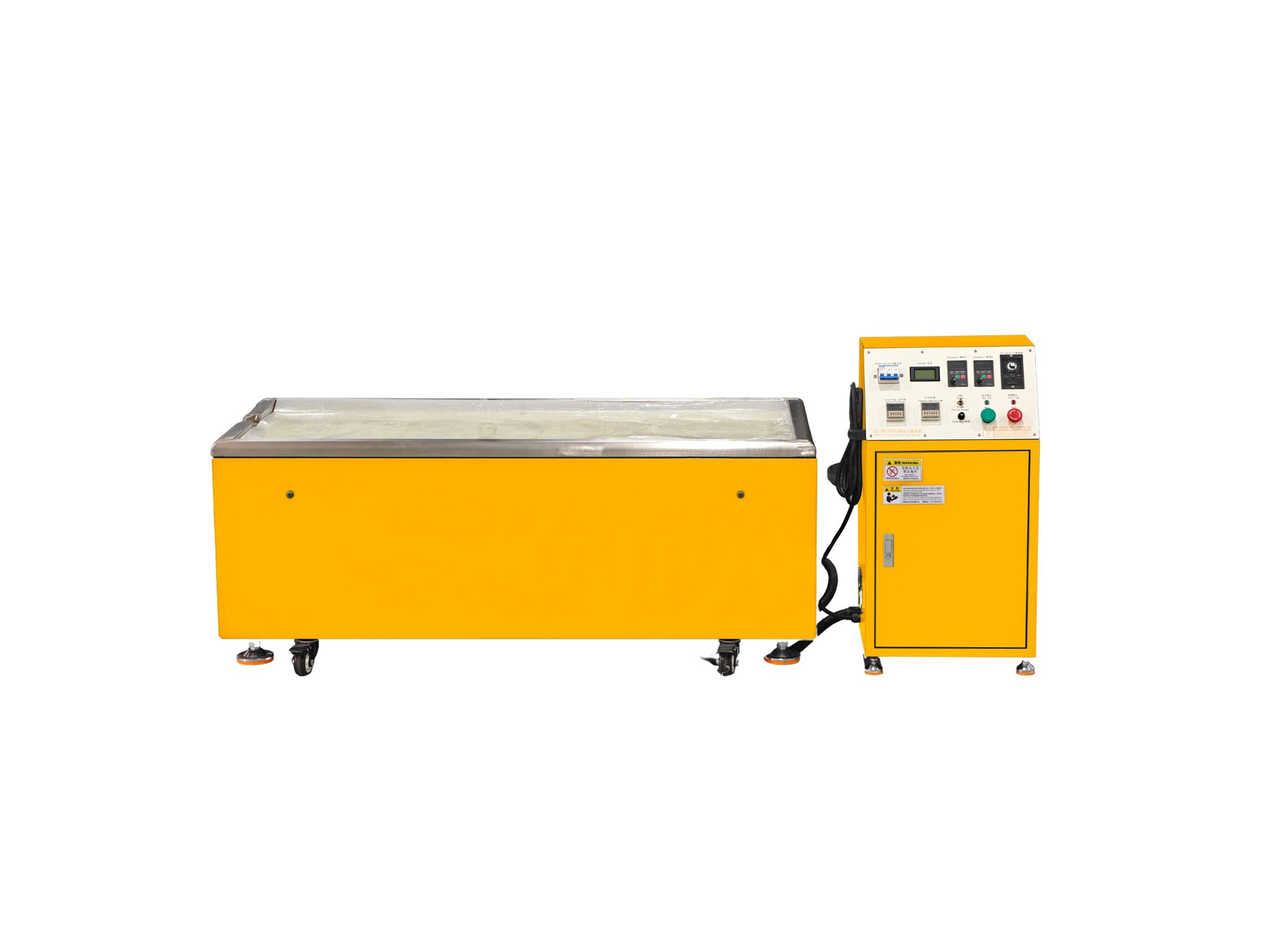
How to Easily Remove Weld Marks, Rust, and Scratches from Metal Parts Without Sacrificing Precision
In modern metal fabrication and precision machining, post-processing is often a critical bottleneck. Surface flaws like rust, thermal weld marks, and handling scratches not only compromise a product's aesthetic appeal but can also lead to rejection by quality-conscious B2B buyers.
Traditional manual grinding wheels often over-grind metal edges, causing dimensional inaccuracies. Meanwhile, chemical acid pickling presents severe environmental hazards, costly waste disposal fees, and operator risks.
The LQ POLISHING MACHINE (available at
🛠️ Common Metal Surface Defects in Precision Manufacturing
Whether processing stainless steel, aluminum, brass, or iron components, metal fabricators consistently encounter three major surface issues:
Weld Marks & Discoloration: High-temperature welding leaves dark burn stains and heat tints along joints that are tedious to scrub manually.
Surface Rust & Oxidation: Ambient moisture and raw material storage create unsightly surface oxidation.
Micro Scratches & Machining Burrs: Stamping, CNC turning, and manual handling introduce light surface scratches and sharp edges.
Using rigid abrasives or manual buffing often alters critical part tolerances. LQ POLISHING MACHINE solves this through micro-fluidic physical friction.
⚡ How LQ Magnetic Polishing Technology Works
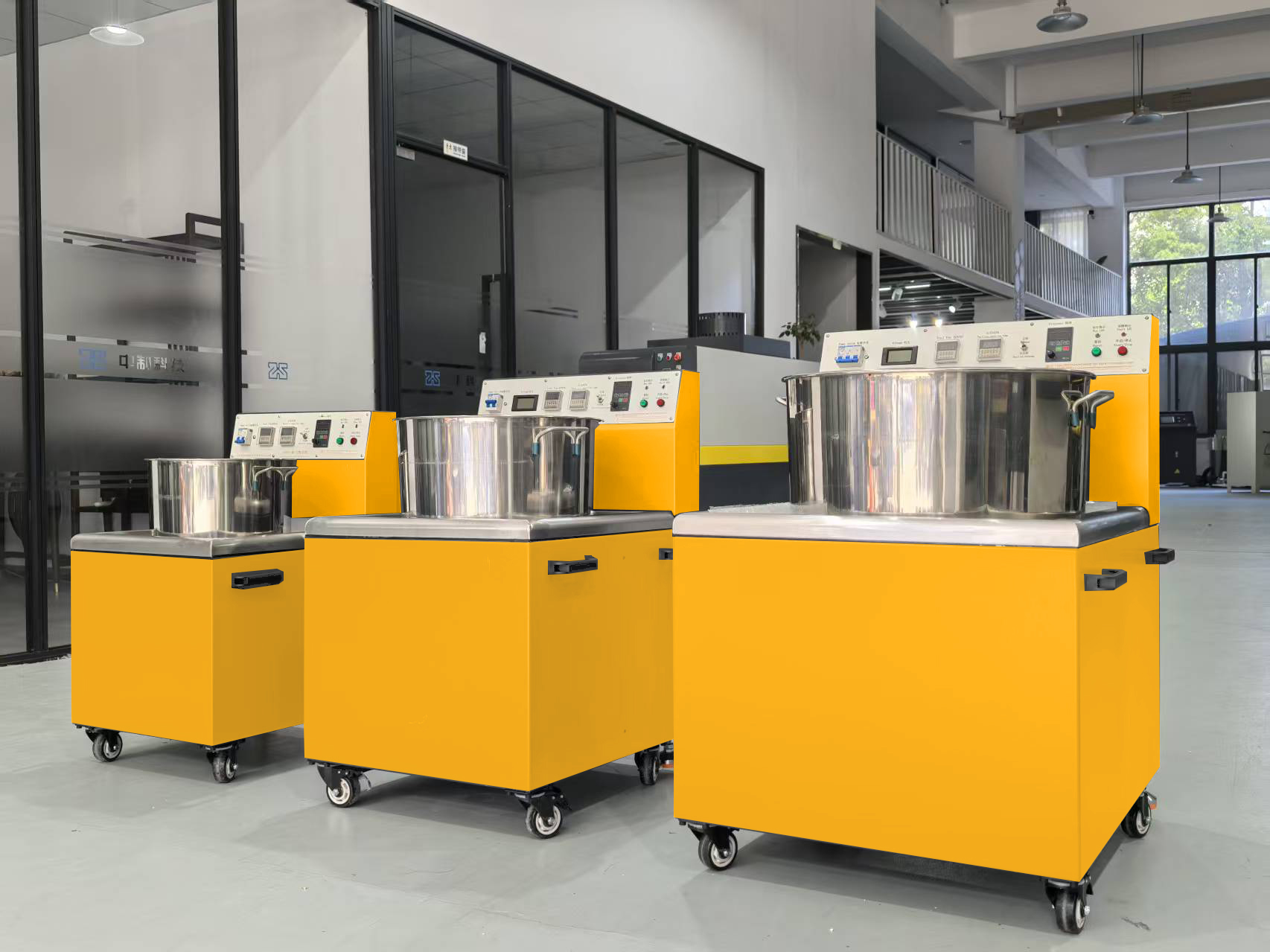
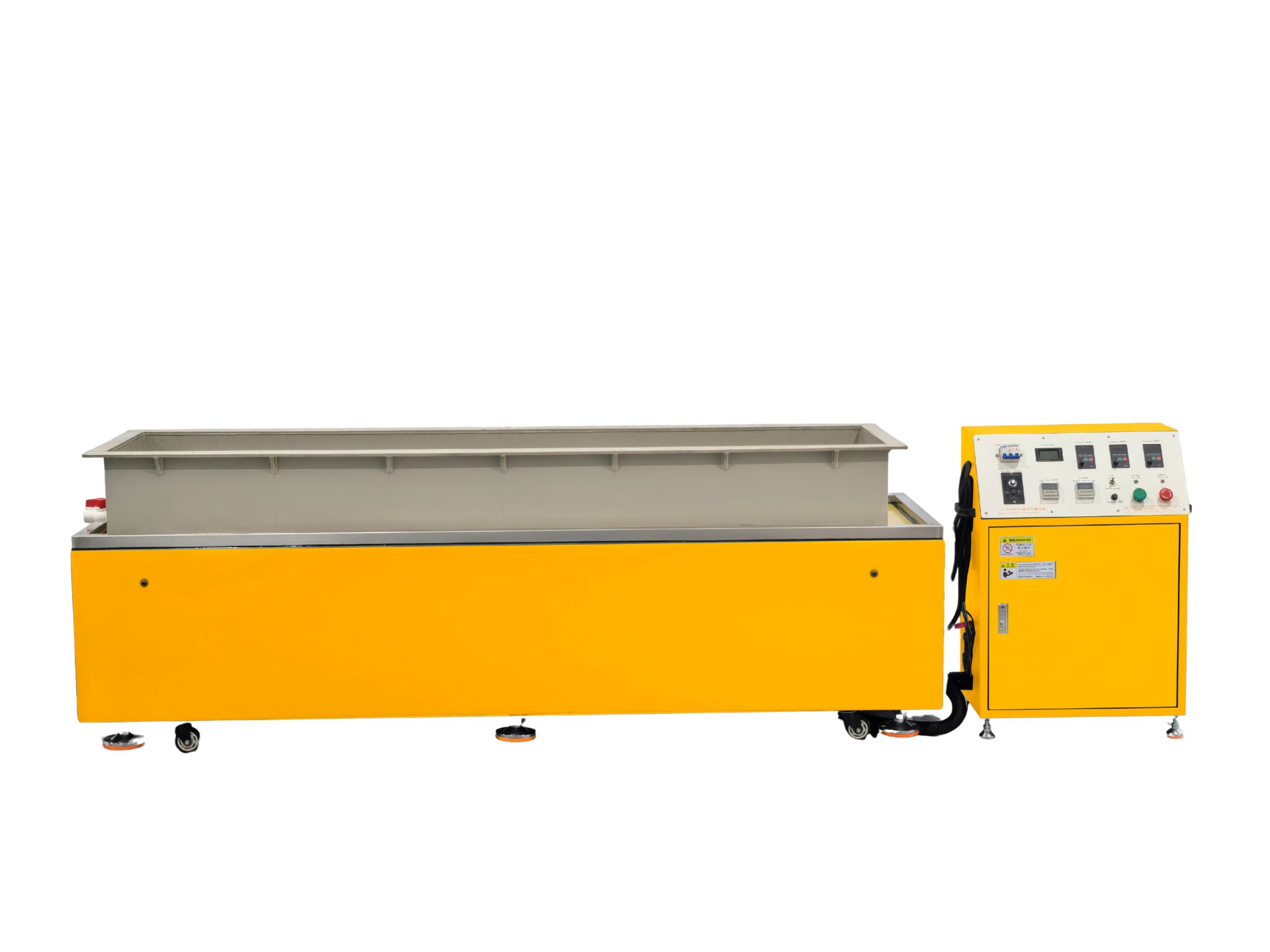
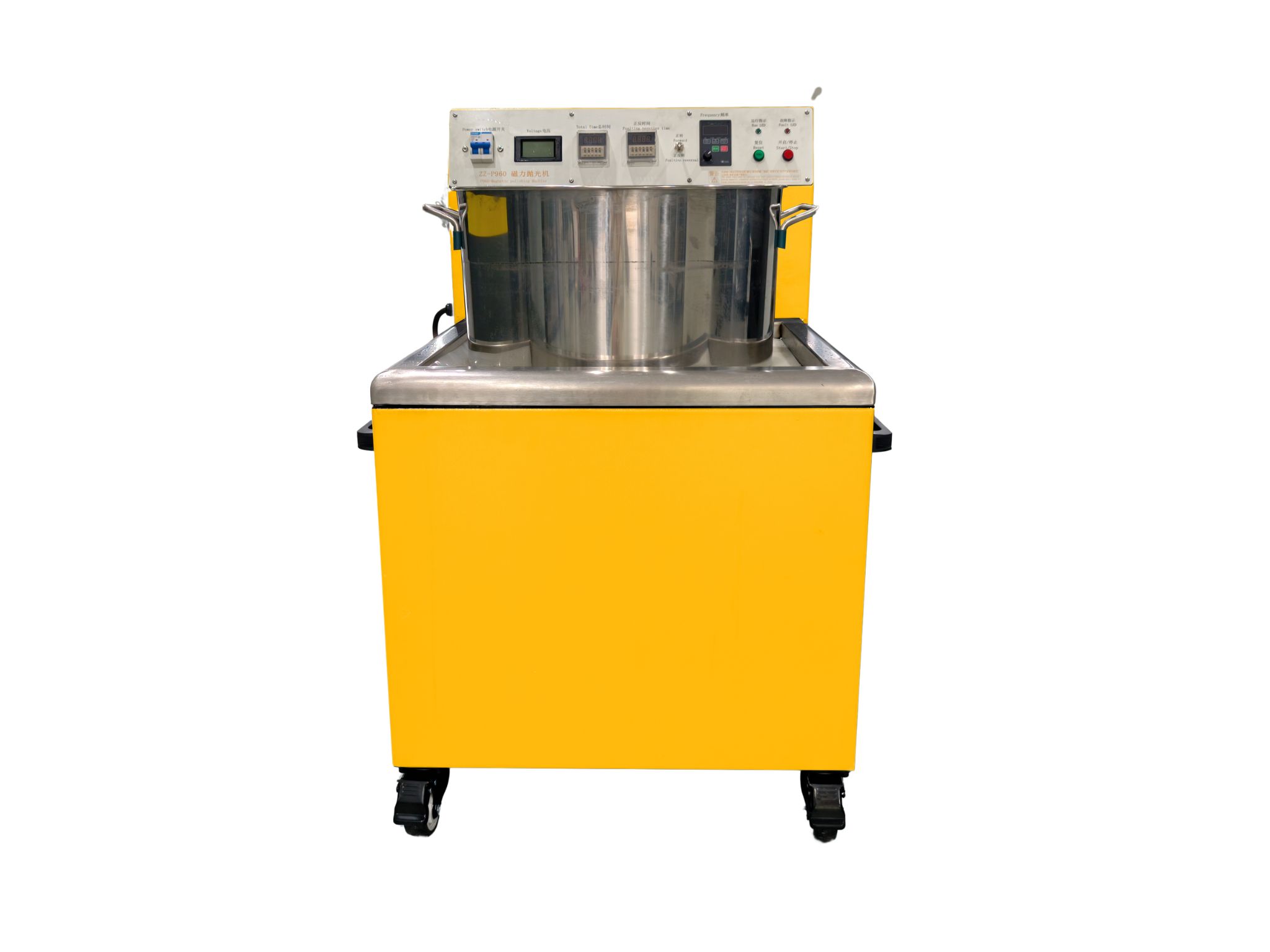
An LQ Magnetic Polishing Machine uses high-density alternating magnetic fields to drive millions of microscopic stainless steel magnetic pins (media) suspended in water and liquid detergent at high speeds.
[ High-Frequency Magnetic Drive ]
          ↓
[ Rapid Churning of Micro Stainless Steel Pins ]
          ↓
[ Multi-Angle Friction Across External & Internal Geometries ]
          ↓
[ Eliminates Rust, Weld Stains & Scratches / Retains Precision ]
Simple 3-Step Operation:
Load Parts: Place your rusted, scratched, or welded metal components directly into the magnetic polishing container filled with pin media.
Add Water & Detergents: Add standard tap water and a small amount of liquid detergent.
Run & Rinse: Turn on the machine. Within 3 to 15 minutes, the high-frequency magnetic action scrubs every cavity and contour. Rinse off the remaining foam with clean water to reveal a smooth, bright, mirror-like finish.
🌟 Key Benefits of LQ POLISHING MACHINE Equipment
Maintains High Precision: Microscopic magnetic pins perform gentle surface friction, removing rust, weld stains, and burrs without rounding sharp functional corners or changing tight CNC tolerances.
Reaches Complex Geometries: Fine pin media fluidly flows into internal threads, blind holes, and tight cross-bores where manual grinding wheels cannot fit.
Fast & Automated: Converts hours of tedious manual buffing into a rapid 3-to-15-minute automated cycle.
100% Eco-Friendly & Safe: Operates using only tap water and biodegradable detergent—eliminating toxic acid fumes, chemical runoff, and heavy regulatory compliance burdens.
💡 Applicable Materials & Industrial Applications
Magnetic polishing equipment engineered by LQ POLISHING MACHINE (
Supported Materials: Stainless Steel, Aluminum, Copper, Brass, Titanium, and Precision Alloys.
Common Workpieces: Welded sheet metal brackets, CNC turned parts, stamped hardware fittings, medical devices, electronic enclosures, and plumbing components.
❓ Frequently Asked Questions
Q: Can an LQ POLISHING MACHINE remove dark weld marks on stainless steel?
A: Yes. The rapid physical friction from the magnetic pin media scrubs away surface burns, heat tints, and oxidation on stainless steel and alloys within minutes.
Q: Will magnetic polishing alter the precision dimensions of CNC machined parts?
A: No. Magnetic pin polishing is a precision micro-finishing process designed specifically to remove surface rust, scratches, and burrs while maintaining strict dimensional tolerances.
Q: Is special chemical detergent required for operating the machine?
A: No. The system runs safely and effectively using standard tap water and mild liquid detergent, making it completely eco-friendly and safe for operators.